


Quarterly Newsletter 2026 Q4
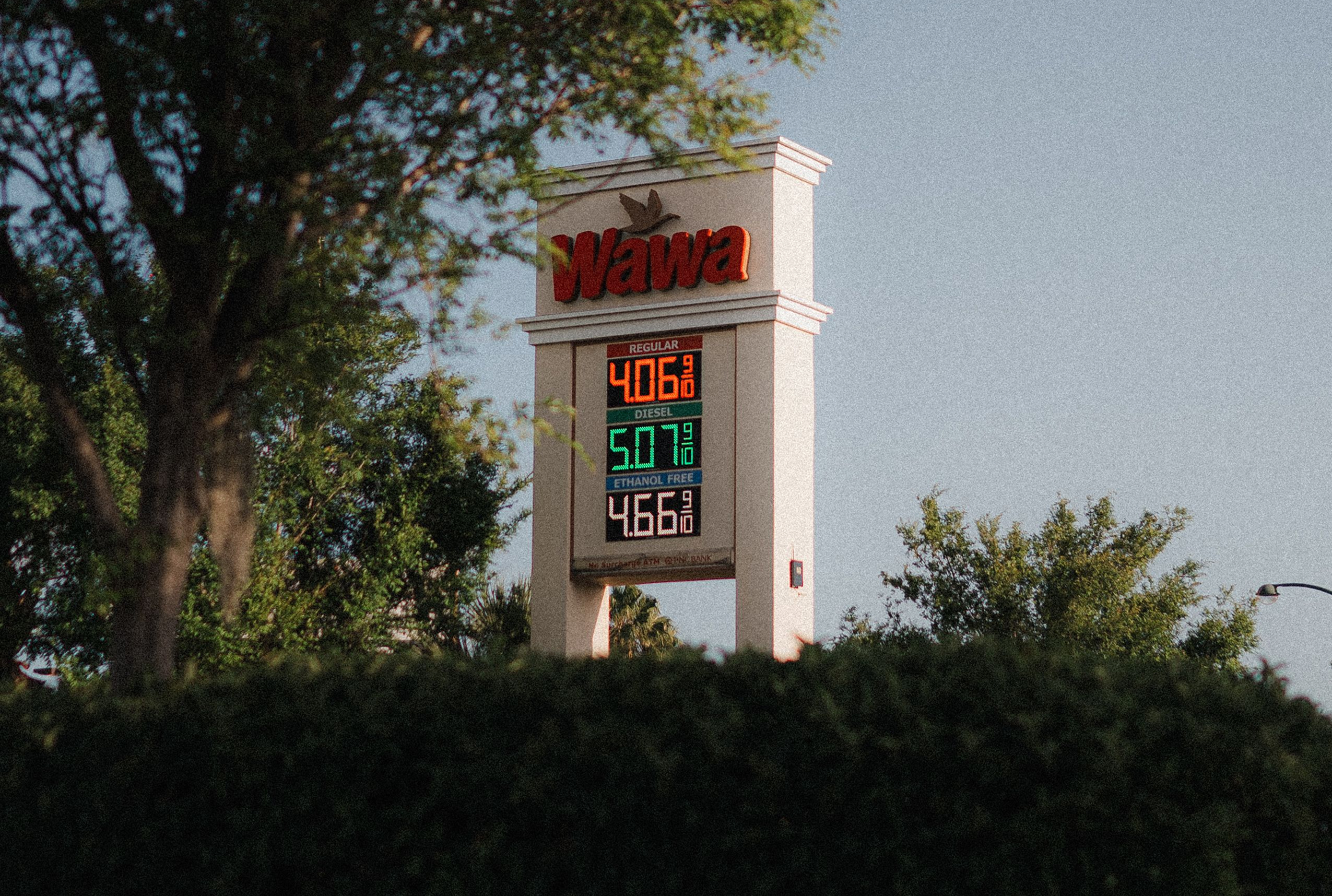
Three quarters of the year have already passed. While three months remain, we have plenty of evidence as to how the economy has done. With higher oil prices and high demand for money, inflation has been higher than anticipated. The Federal Reserve has raised interest rates as an effort to slow down inflation.
While the data is still strong, the interest rate increase was warranted. The data in the graphs below does not indicate a boom or a bust. At times like this, we simply allow the markets to work and react to what we get. Staying the course has always been a good strategy. There is an old saying that patience pays. This is a good time to be patient.
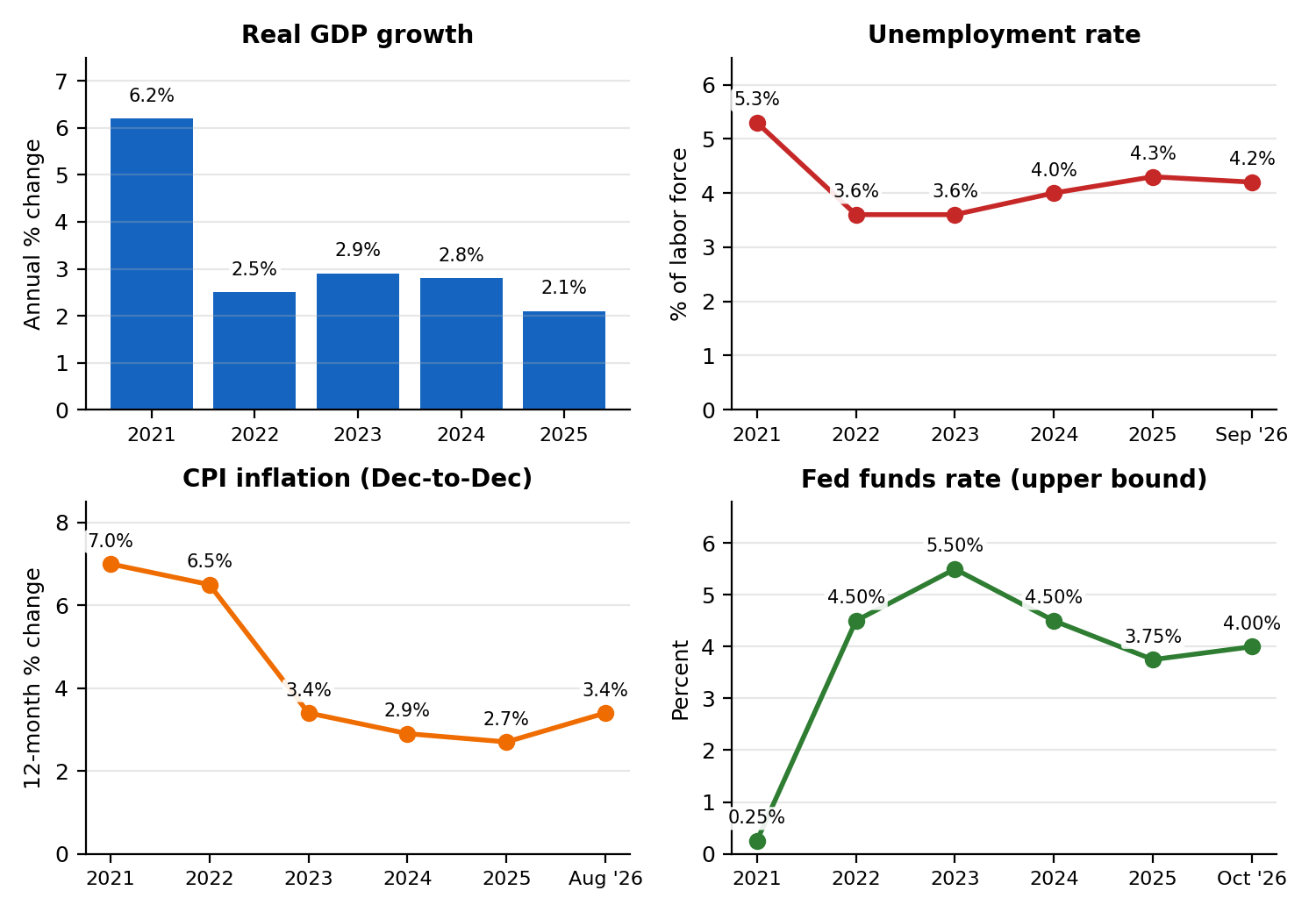
Sources: U.S. Bureau of Economic Analysis (GDP); U.S. Bureau of Labor Statistics (unemployment, CPI); Federal Reserve (federal funds rate).
Notes: 2021–2025 values are annual figures; 2026 values are the latest monthly readings and may be revised. Full-year 2026 GDP is not yet available.
2026 3rd Quarter Review
In our last news letter, we said that we would not be surprised to see a choppy market as stocks try to find the appropriate price. So, we weren’t surprised when it happened. The conflict in Iran continues to make oil prices higher and less predictable than normal. Once this conflict is settled, it will take some time to get production back to normal levels. Hopefully, oil prices has hit it’s high, and it will settle down a bit in the fourth quarter.
S&P 500 Quarter 2 S&P 500 Year to Date
2026 4th Quarter Preview
Historically, the fourth quarter has been one of the stronger quarters of the year for stocks, helped by holiday spending and anticipation for the next year. This year, the market will be weighing several things at once: oil prices, the Federal Reserve’s next move and third quarter earnings reports, which are coming in now.
Most Federal Reserve officials expect at least one more rate increase before the end of the year. Higher interest rates and higher fuel prices can slow consumer spending, so we would not be surprised to see continued choppiness through the holidays. That said, companies continue to grow profits, employment is healthy and investment in AI remains strong. We anticipate some volatility, but would not be surprised to end the year with modest gains. Our Risk Allocation models are designed for exactly this kind of environment.
Bonds
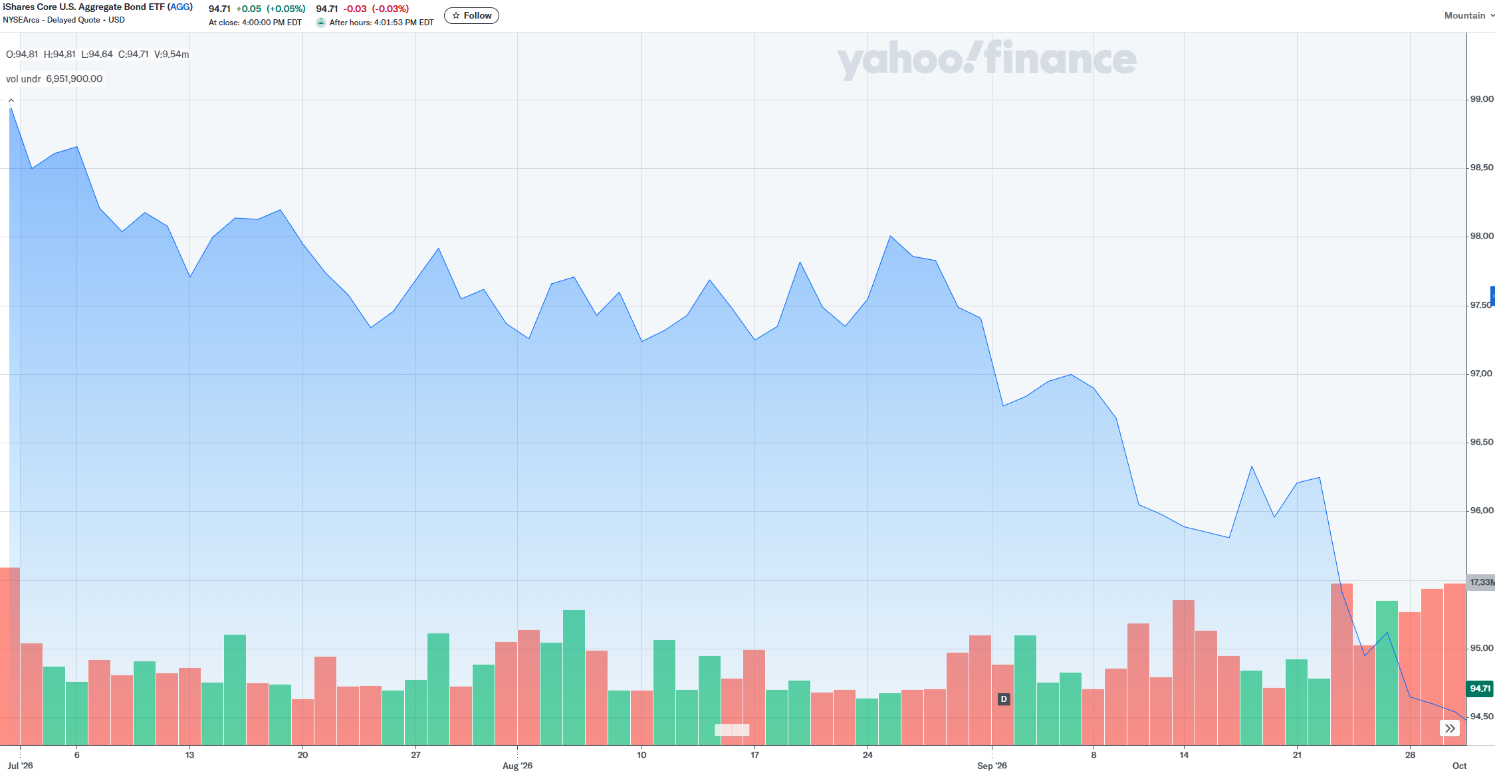
Last quarter we said that interest rates were likely to stay the same or even (dare we say) increase slightly. They increased. The Federal Reserve raised its target rate by 0.25% in September, and longer-term rates rose even more. The 10-year Treasury yield ended the quarter near 5.3%, up from about 4.2% at the start of the year. As interest rates increase, bond values decrease, so it has been a challenging year for bonds.
There is a silver lining. Higher yields mean bonds are paying more income than they have in years. Our bond mutual funds reinvest those dividends to buy additional bonds at today’s higher rates. We call this strategy ‘Internal Dollar Cost Averaging’. Over time, that higher income helps make up for lower bond prices. We expect rates to remain elevated until inflation shows real signs of slowing.
US Stocks
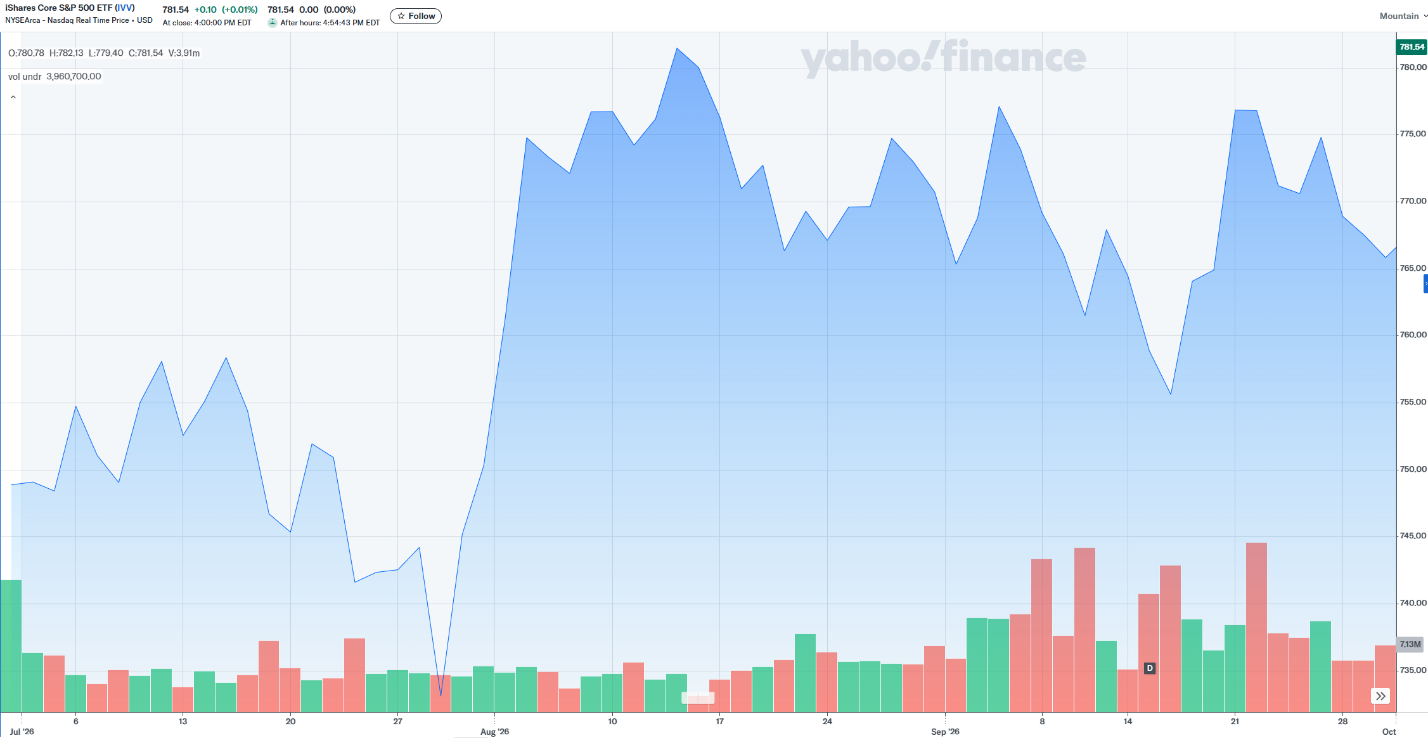
During the second quarter we were encouraged to see more breadth in the market, meaning investment in more than just technology. That trend reversed in the third quarter. Gains were concentrated in large technology and energy companies, while most other areas declined. Technology now makes up roughly 40% of the S&P 500. When so much of the market depends on a few sectors, it is a good reminder of why diversification matters. As mentioned above, this is a good time for patience and staying disciplined. If the markets take a sharp move up or down, which we don’t anticipate, our models will take advantage of the change.
International
International stocks were mixed in the third quarter. Developed markets such as Europe and Japan were roughly flat, and emerging markets were down slightly. For the year, however, emerging markets are up more than 20%, ahead of U.S. stocks.
Our view has not changed. We remain more optimistic on international stocks than we have been in several years, but we are not going to get very aggressive at this point. A small amount of international stocks in the more aggressive models remains appropriate in our view.
Did You Know?
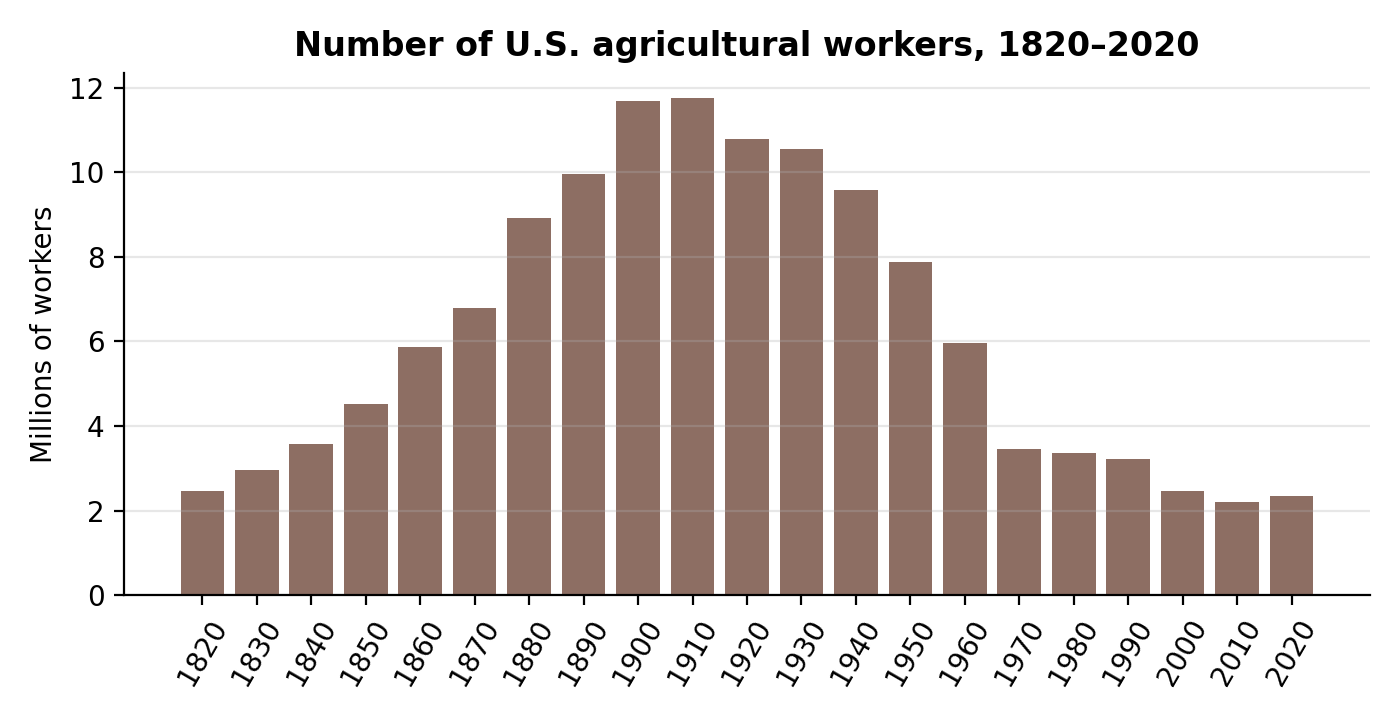
Agricultural Employment in the United States, 1820–2020
Today
Agriculture itself accounts for only about 1 to 1.5 percent of U.S. employment. According to the USDA Economic Research Service, direct on-farm employment was about 2.6 million jobs in 2022, or 1.2 percent of U.S. employment. Counting related industries such as food service, food and beverage stores, and food processing, about 22.1 million jobs (10.4 percent of total employment) were tied to the agricultural and food sectors in 2022.
Share of the workforce
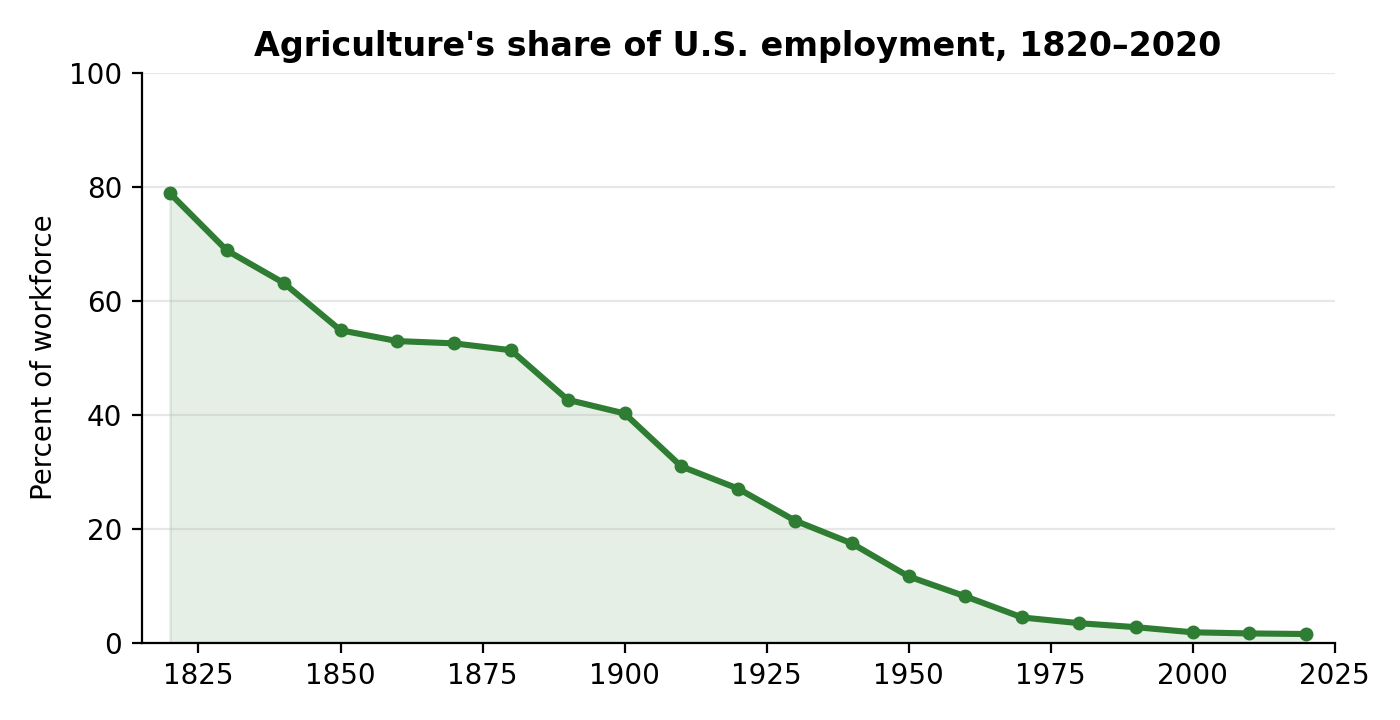
The share of workers in agriculture has fallen steadily for two centuries. Agriculture employed most U.S. workers until sometime in the 1880s and dropped below 10 percent around 1960.
Have you reviewed your retirement strategy this year? We’re here to help.